

Guide
Building a Merch Shop for Creators: On-Demand or Stock?
Print-on-demand or stock production? How creators can choose the right approach for their merch shop.

For many creators, launching their own merchandise is the next logical step to strengthen their community bond and open up a new revenue stream. But before the first T-shirt is sold, a fundamental decision needs to be made: should products be produced individually for each order via print-on-demand (PoD), or should they be pre-produced in a larger batch and kept in stock? Both models have distinct advantages and disadvantages, depending on the size of your community, your quality standards, and your business goals. This guide offers an objective comparison of both approaches to help you make the right decision for your merch shop.
What is Print-on-Demand (PoD)?
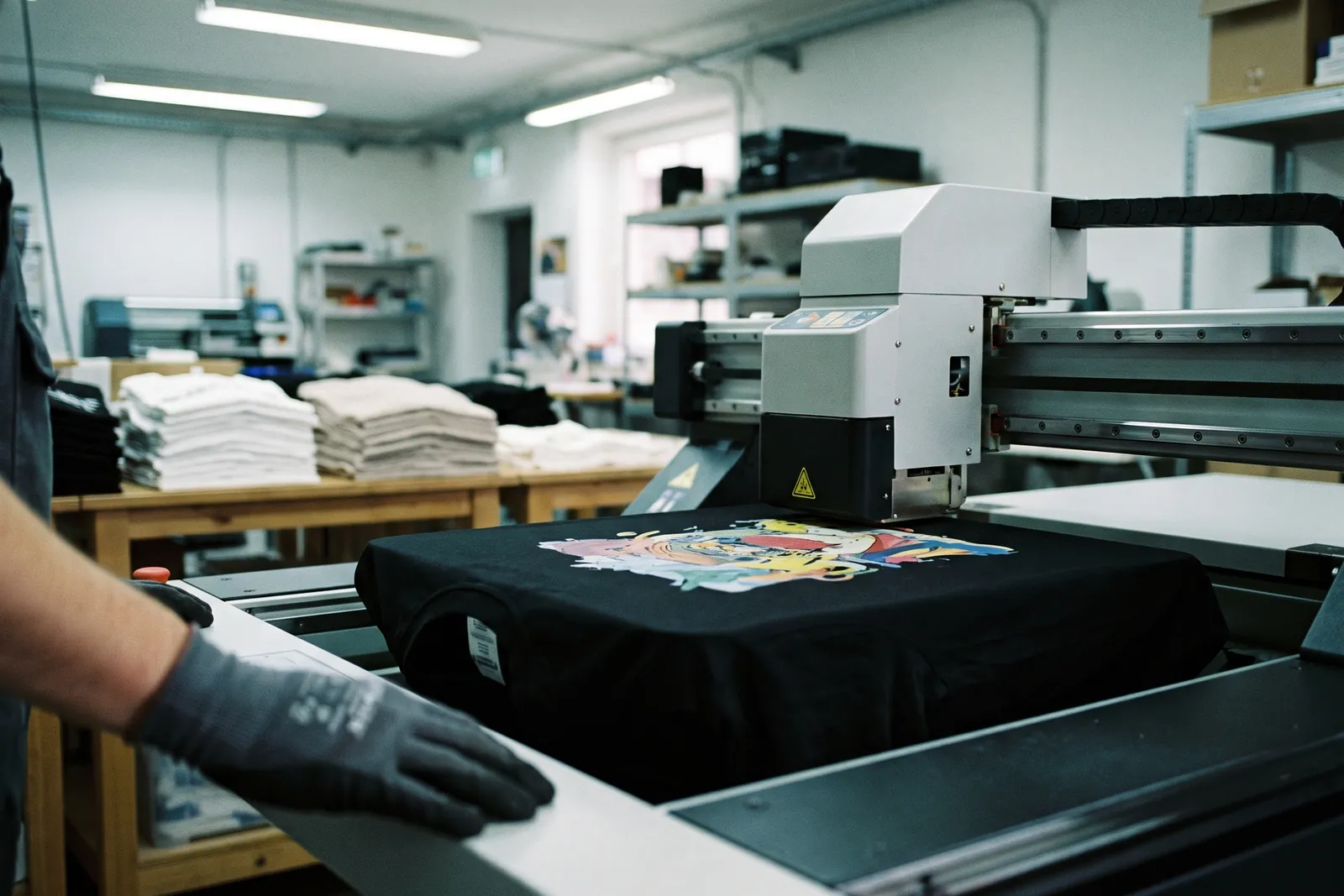
Print-on-demand means that a product, such as a T-shirt, hoodie, or mug, is only printed after a customer orders it from your shop. You upload your designs to a PoD provider, integrate their products into your shop, and the provider handles production, packaging, and shipping once an order is placed. You never have any physical contact with the merchandise yourself.
Advantages of Print-on-Demand
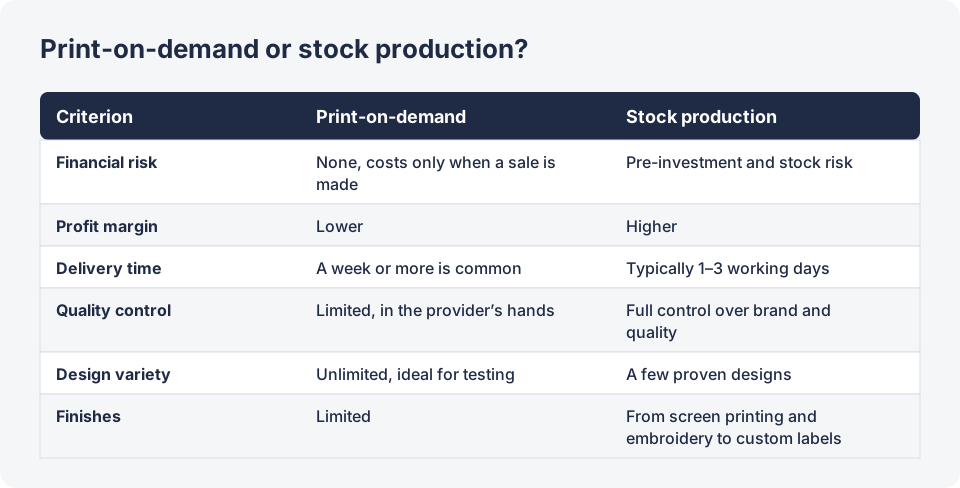
- No financial risk: You don't have to buy any products in advance. Costs are only incurred when a sale is made. This completely eliminates the risk of holding stock.
- Unlimited design variety: You can offer dozens of designs and product variations without investing a penny in stock. This is ideal for testing which motifs resonate with your community.
- Low start-up effort: The setup is usually straightforward and requires little technical knowledge. You can focus on design and marketing.
Disadvantages of Print-on-Demand
- Lower profit margin: The cost per unit for an individually produced product is significantly higher than for a bulk production run. This considerably reduces your margin on each item sold.
- Longer delivery times: Since the product has to be made first, shipping to the customer takes longer. Production and delivery times of a week or more are common.
- Limited quality control: You have no direct influence on the print quality, the textiles used, or the packaging. The customer's brand experience is in the hands of the provider.
- Limited customisation options: Complex finishes such as intricate embroidery, custom woven neck labels, or bespoke packaging are usually not possible with the PoD method.
The Alternative: Stock Production and Fulfillment
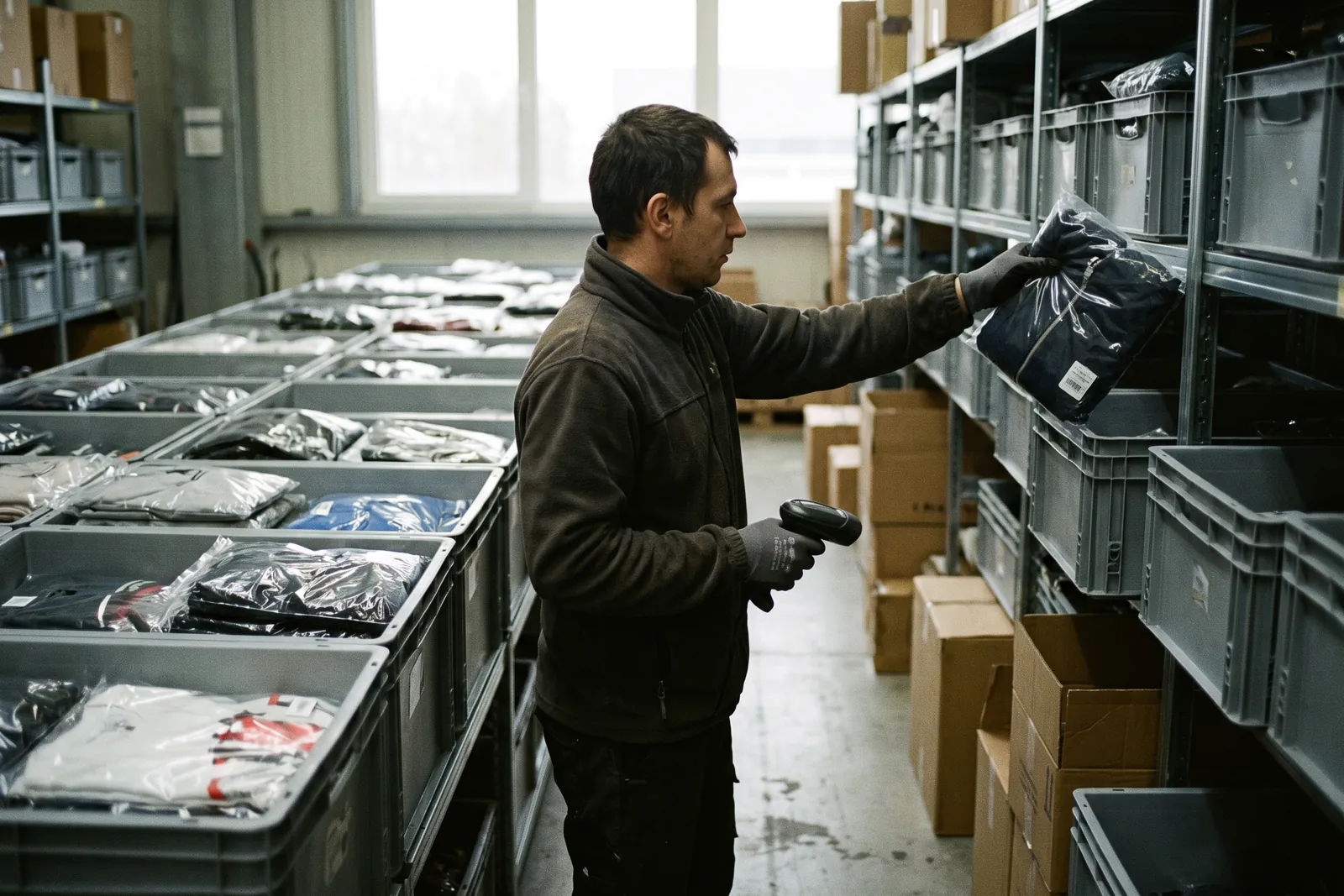
With this model, you have a larger quantity of your bestselling products produced in advance. These goods are then stored with a service provider who handles the entire fulfillment process: storage, picking and packing orders, and shipping to end customers. You bear the business risk, but you also benefit from numerous advantages.
Advantages of Stock Production
- Higher profit margin: By ordering larger quantities, the production cost per item drops drastically. This allows for a much higher margin or a more attractive retail price.
- Fast shipping: The products are ready to ship immediately. Your customers typically receive their order within 1–3 working days, which greatly increases customer satisfaction.
- Full control over brand and quality: You choose the textiles, printing methods, and packaging yourself. Custom hangtags, inserts, or printed boxes create a professional brand experience.
- High-quality finishes: All textile finishing options are available to you, from screen printing and high-quality embroidery to custom labels.
Disadvantages of Stock Production
- Financial pre-investment: A production run must be financed upfront.
- Stock risk: If products sell less well than expected, you are left with the cost of the remaining stock.
- Less flexibility: You focus on a few proven designs instead of testing a wide range.
Which Model Suits Which Stage?
The choice between PoD and stock production is not a matter of principle, but depends heavily on your current situation.
For Getting Started: When Print-on-Demand Makes Sense
If you are just starting to build a merch shop, PoD is often the best way forward. You can find out, without risk, whether there is any demand at all and which designs work for your target audience. PoD also remains a useful tool for established brands to test new, more daring ideas.
For Growth: When to Switch to Stock Production
Once you have reliable sales data and know which of your products are bestsellers, switching to stock production becomes an attractive option. If you are selling a stable double- or triple-digit number of a specific item each month, the benefit of a higher margin often outweighs the stock risk. This is the point where many successful creators & artists partner with a professional merchandising company to take their brand to the next level and meet their growing community's expectations for fast delivery.
Quality and Material Awareness
Product quality is an often-underestimated aspect. While the PoD sector mostly uses standard textiles finished with the direct-to-garment (DTG) printing method, stock production provides access to a wider range of materials and processes. You can specifically select textiles made from organic cotton, products with GOTS certification, or items made from recycled polyester (rPET), and have them finished with durable methods like screen printing. For simply choosing the right printing or embroidery method for smaller runs of 10 items or more, our sister portal unicum-textildruck.de can help.
When you reach the point where predictable sales, higher margins, and a professional brand experience are your priorities, a full-service approach is the logical next step. Such a partnership includes not only production and logistics but also the setup and management of a high-performance shop system, as well as shipping.
Looking for full-service merchandising?
We handle your promotional product projects from A to Z – from a single source.
To Full-Service