

Guide
How to Set Up a Fan Shop for Your Club
From club logo to a fully operational fan shop – how clubs can offer merchandise and teamwear without the risk of holding stock, and boost their funds.

For many clubs, having their own fan shop is more than just a source of income. It's a key component for fan engagement, strengthens identity, and ensures a professional public image. However, the path from the initial idea to a ready-to-ship fan item can be complex. Setting up a professional fan shop for a club requires strategic planning in terms of product range, production, technology, and logistics. This guide outlines the crucial steps.
The Foundation: A Well-Thought-Out Product Range
Choosing the right products is the first and most important step. A good product range caters to the desires of core fans without getting lost in too many niche products. It's about finding a balance between classic items and special editions.
The tried-and-tested basics for any club fan shop include:
- Apparel: T-shirts, hoodies, and polo shirts featuring the club logo or a distinctive slogan are the foundation of any product range.
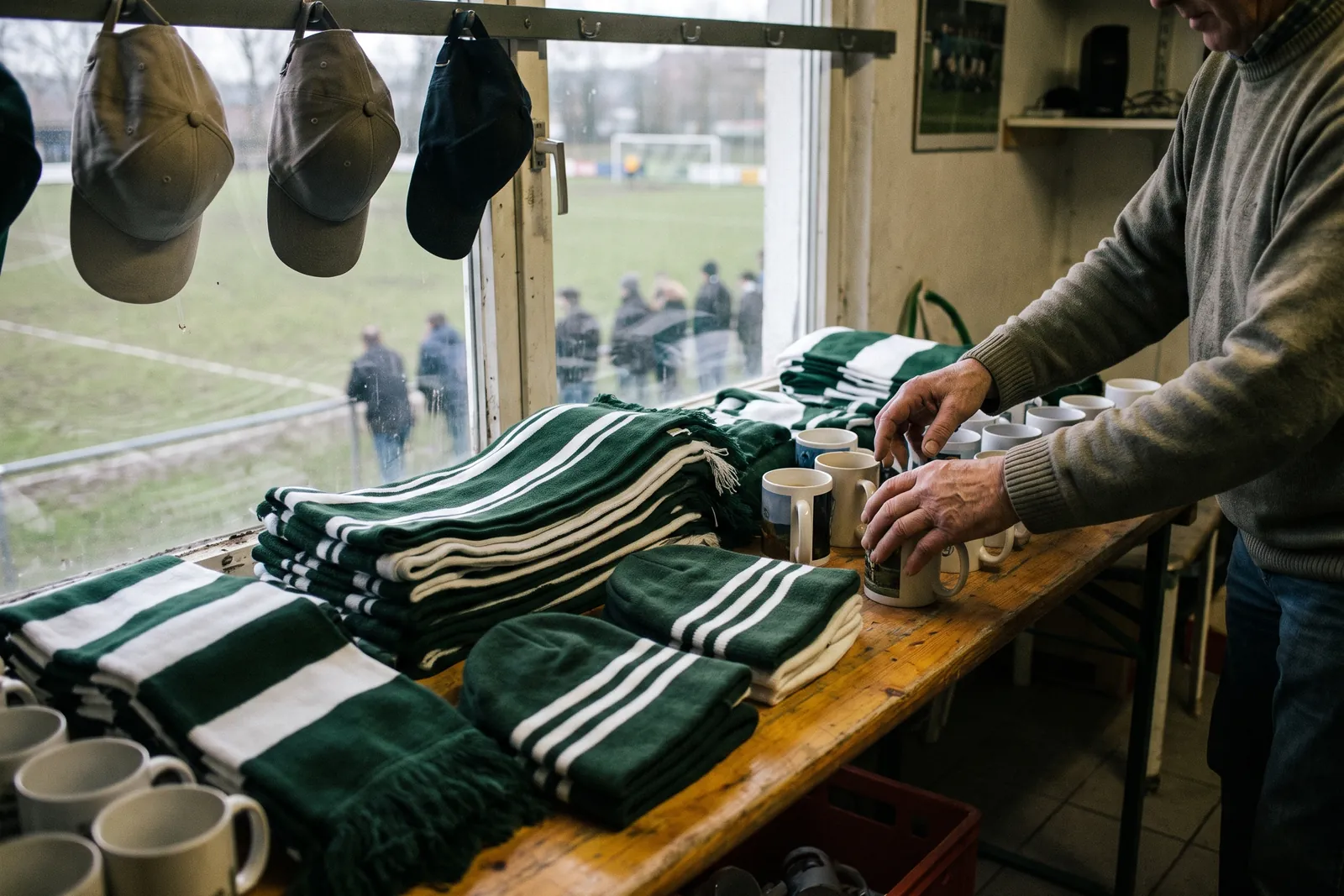
- Headwear: Caps and beanies are popular, easy-to-produce items all year round.
- Accessories: The classic fan scarf is essential. Mugs, keyrings, and stickers are also cost-effective products with a high emotional impact.
- Seasonal or event-specific items: A new season's kit, a scarf for a cup final, or a T-shirt for the club's anniversary create exclusive incentives to buy.
It is crucial to focus on good product quality and consistent brand presentation from the very beginning. A high-quality print or neat embroidery on a durable garment makes a much better impression than quickly produced mass-market goods.
Risk-Free Production: On-Demand vs. Stocked Goods
One of the biggest hurdles for clubs is the financial risk. Pre-producing large quantities of T-shirts or scarves ties up capital and carries the risk of being left with unsold stock. Modern production methods offer flexible solutions here.
Stocked Goods: The Traditional Approach
With this model, a fixed quantity of an item is produced and paid for in advance. The advantage often lies in a lower unit price for larger production runs. This approach is suitable for absolute bestsellers where demand can be reliably forecast, such as the classic fan scarf.
Production-on-Demand: The Flexible Alternative
Here, an item is only produced once an order is placed in the online shop. For the club, this means no stock risk and no upfront investment in goods. This model is ideal for offering a wide variety of designs or products without tying up capital. It also allows more unusual designs or products for smaller target groups to be tested risk-free.
In practice, a hybrid model has often proven effective: a few top sellers are produced and held in stock for immediate dispatch, while the majority of the range is produced on-demand.
Important note: If your club simply needs a fixed quantity of apparel for an event or for team kits and wants to commission the printing or embroidery directly, a specialist textile printing provider is the right choice. You can find solutions for direct printing from small quantities at unicum-textildruck.de, for example.
Quality That Convinces: Finishing and Material Choice
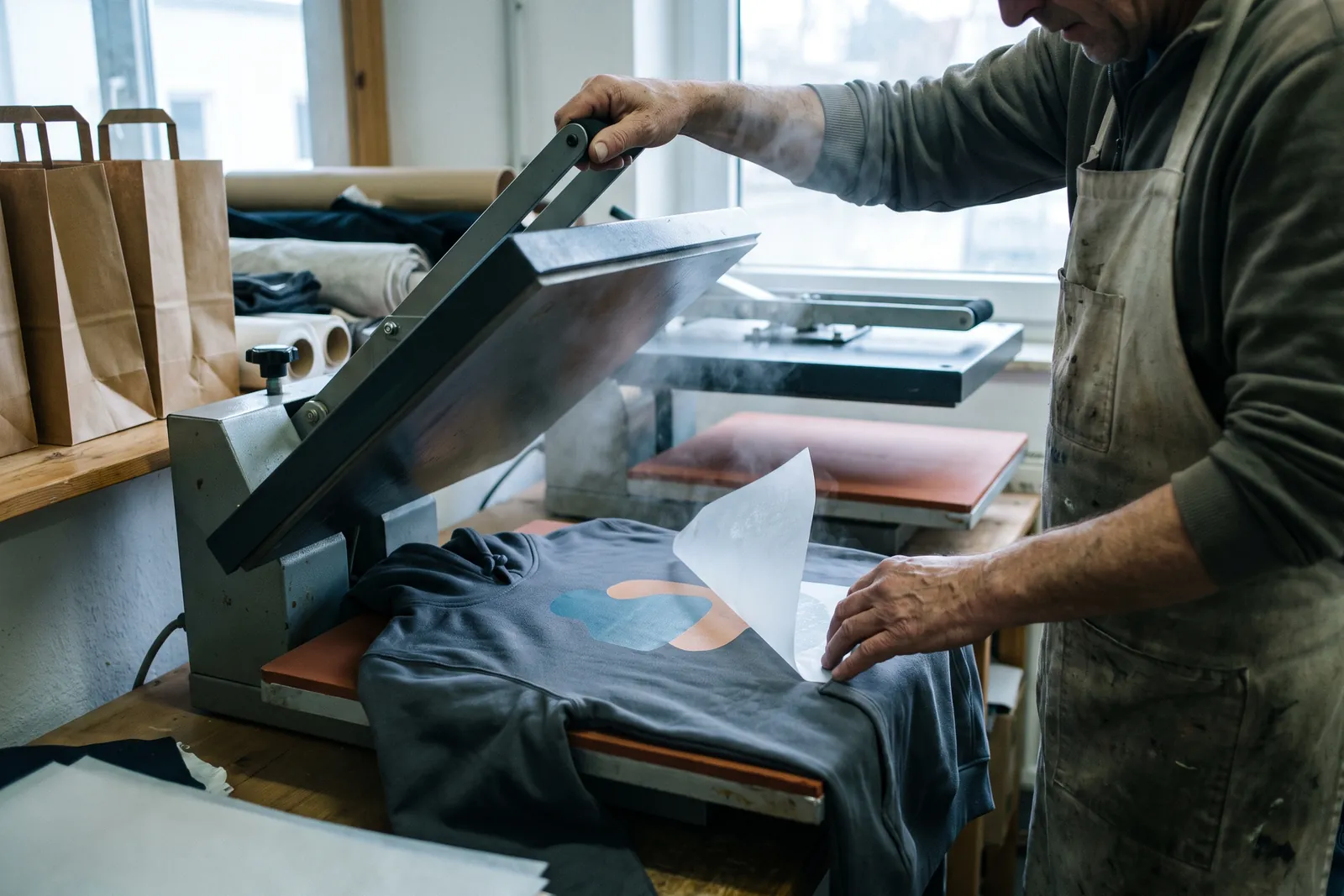
The type of finishing – i.e., print or embroidery – and the quality of the base materials significantly shape the perceived value of the merchandise. High-quality embroidery on a cap looks more premium and is more durable than a simple vinyl print. The choice of materials plays a crucial role here. Items made from organic cotton or textiles containing recycled polyester (rPET) are not only popular with fans but also highlight a modern, conscious approach from the club. Certifications like GOTS or standards such as those from the Fair Wear Foundation provide additional guidance when selecting responsibly produced textiles.
The Technical Infrastructure: Webshop, Warehousing, and Dispatch
A professional fan shop is more than just a collection of products. It requires a functioning infrastructure that covers the entire process from the order to delivery to the fan. A full-service approach takes these complex tasks off the club's hands.
The Club Webshop
The online shop is the digital home of the fan shop. It should be designed in the club's branding, be easy to use, and integrate all common payment methods. A professional club webshop is the basis for a smooth shopping experience and forms the foundation of the entire merchandising programme.
Warehousing and Fulfilment
As soon as an order is received, the work begins behind the scenes. Instead of a club member having to handle packing and shipping, specialist service providers take on these tasks. Professional fulfilment includes storing the products, picking and packing orders, and shipping to the end customer. This saves the club an enormous amount of time and human resources.
Dispatch and Customer Service
A complete service also includes handling dispatch, including parcel tracking. Handling returns and answering customer queries about order status are also part of a professional setup that relieves the burden on the club's volunteer structures.
A well-thought-out merchandising concept is a powerful tool for strengthening the club's brand and generating vital income. With a professional partner at your side, you can create a fan shop that excites fans and moves the club forward sustainably. As a full-service partner, we support organisations in the Sport & Clubs sector in implementing such projects, from product development right through to shipping to the fan.
Looking for full-service merchandising?
We handle your promotional product projects from A to Z – from a single source.
To Full-Service