

Guide
Promotional Product Trends 2026: What Matters Now
Sustainability, quality over quantity and smart gadgets shape the promotional year 2026. An overview of the key developments.

The landscape of promotional products is undergoing a fundamental transformation. The era of mass-distributing low-cost giveaways is giving way to a more strategic approach focused on long-term impact, measurable value, and corporate responsibility. For 2026, the most effective merchandising strategies are not about simply placing a logo on a product, but about creating tangible assets that strengthen brand perception, foster loyalty, and align with core business values. This requires a shift in mindset towards quality, utility, and integrated management.
Substantiated Responsibility as the New Standard
Vague environmental claims are no longer sufficient; they are becoming a compliance risk. With regulations like the EU's Empowering Consumers for the Green Transition Directive (EmpCo), businesses are now required to substantiate any environmental marketing. This legislative pressure, combined with increasing stakeholder expectations, has made verifiable product attributes the new baseline for corporate merchandising.
This trend manifests in a clear demand for products with transparent supply chains and certified materials. Instead of generic "eco" labels, successful programmes are built on concrete, demonstrable facts. Key considerations include:
- Certified Textiles: The focus is on materials like GOTS-certified organic cotton, which guarantees ecological and social criteria throughout the entire supply chain, and textiles certified by the Fair Wear Foundation, ensuring fair labour conditions.
- Recycled Materials: The use of recycled content is a primary strategy. This includes products made from recycled polyester (rPET), often derived from post-consumer plastic bottles, or textiles incorporating recycled cotton.
- Responsible Sourcing: For non-textile items, materials like FSC-certified wood and paper or bamboo from verified sources are becoming standard.
- Packaging and Logistics: The product itself is only part of the equation. The trend extends to plastic-free packaging, such as grass paper mailers. At UNICUM, DHL parcels are shipped with GoGreen Plus.
Building a credible merchandising collection requires a detailed approach. For a deeper look into material selection and certification, our guide on building a responsible promotional product range provides further specifics.
Focus on Durability and High Perceived Value
The "quality over quantity" principle has now matured into a clear economic argument. The effectiveness of a promotional product is best measured by its cost per impression—the total cost divided by the number of times the brand is seen. A single, high-quality item that is used daily for several years generates thousands of positive brand contacts, making it far more cost-effective than a dozen cheap items that are quickly discarded.
A premium product not only delivers a better return on investment but also directly enhances the perception of the brand itself. A poorly made item that breaks after a few uses can create a negative association. Conversely, a durable, well-designed product communicates reliability and care. This strategy involves selecting items known for their longevity and functional excellence, such as:
- Premium Drinkware: Insulated bottles and travel mugs from established brands that offer long-term performance.
- Durable Bags: Backpacks, messengers, and travel bags made from robust materials with reinforced stitching, designed for years of use.
- High-Quality Apparel: Garments from manufacturers known for their material quality and construction, ensuring they remain a wardrobe staple rather than a one-time novelty.

Technology with Genuine Everyday Utility
While tech items have been popular for years, the trend for 2026 is a move away from novelty gadgets towards devices that solve real, everyday problems for the recipient. The market is saturated with low-cost, low-utility items like basic power banks or flimsy USB drives. To stand out, a tech product must offer genuine, long-term value and seamless integration into the user's daily routine.
The most successful technology and gadget programmes focus on functionality, reliability, and safety. This means prioritising products that are CE-marked, RoHS-compliant, and built to last. Examples of high-utility tech include:
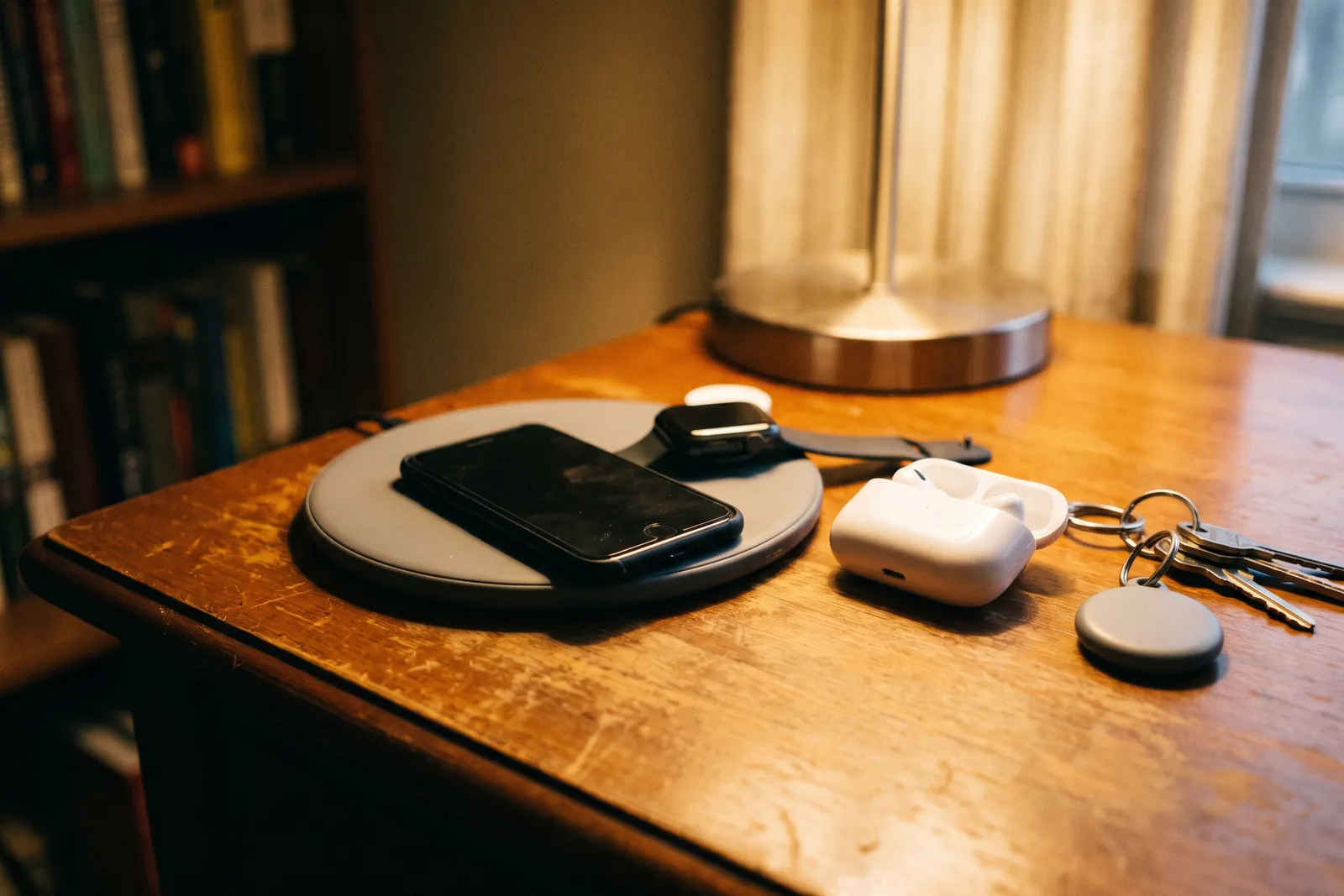
- Multi-Device Charging Solutions: Wireless charging pads or desktop stations that can power a smartphone, watch, and earbuds simultaneously.
- High-Fidelity Audio: Portable Bluetooth speakers or noise-cancelling headphones that deliver excellent sound quality, ensuring they become the user's preferred device.
- Smart Home and Office Devices: Useful tools like smart plugs, digital trackers for keys and bags, or high-quality webcam and microphone sets for hybrid work environments.
Hyper-Personalisation and Targeted Customisation
Moving beyond a one-size-fits-all approach, hyper-personalisation is a key driver of engagement. This goes far beyond simply adding a company logo. It involves tailoring products to specific individuals, teams, locations, or events to create a stronger sense of connection and appreciation. A product that feels personally relevant is far more likely to be kept and valued.
Modern digital printing and finishing techniques make this possible on a larger scale within integrated programmes. Common applications include:
- Onboarding Kits: Welcome packages for new employees featuring items personalised with their name, team, or start date.
- Event-Specific Merchandise: Giveaways for conferences or trade shows that are customised for different attendee tiers, speakers, or workshop groups.
- Regional Variations: Merchandise for global companies that features designs or messages specific to different national or regional offices.
At UNICUM Merchandising, we implement such personalisation strategies as part of comprehensive corporate programmes. For businesses seeking direct purchasing of smaller quantities with a choice of specific printing or embroidery techniques, our partner platform at unicum-textildruck.de is the appropriate service.
Integrated Merchandising Programmes and Process Outsourcing
As merchandising becomes more strategic, companies are increasingly moving away from fragmented, ad-hoc purchasing. Instead, they are consolidating all related activities with a single partner to ensure brand consistency, control costs, and reduce internal administrative workload. This holistic approach treats merchandising as a continuous, managed process rather than a series of isolated transactions.
A truly full-service merchandising solution centralises the entire lifecycle of promotional products. This integrated model typically includes:
- Product Sourcing and Development: Curating a core collection and developing custom-made items that perfectly reflect the brand identity.
- E-commerce Solutions: Building and managing dedicated webshops for internal (employee) or external (B2B/B2C) audiences.
- Warehousing and Inventory Management: Storing all merchandise in a central warehouse, eliminating the need for companies to use their own office space.
- On-Demand Fulfilment: Picking, packing, and shipping individual orders globally, whether it's a single welcome kit for a new hire or a bulk shipment to a sales event.
- Reporting and Analytics: Providing clear data on inventory levels, order volumes, and budget tracking to enable informed decision-making.
By outsourcing these complex processes, organisations can focus on their core business while ensuring their brand is represented professionally and efficiently across all touchpoints.
The future of promotional products is less about the item itself and more about the strategy behind it. By focusing on responsibility, quality, utility, and integrated management, your merchandising can evolve from a simple expense into a powerful asset for brand building. Want to develop a merchandising concept that reflects these trends for 2026? Talk to one of our experts.
Looking for full-service merchandising?
We handle your promotional product projects from A to Z – from a single source.
To Full-Service