

Guide
Schoolwear Around the World: How Other Countries Approach It
From the UK to Japan, school uniforms are a common sight in many countries. We take a look at the bigger picture – and what Germany can learn from it.

The debate over uniform clothing in schools is a regular occurrence in Germany, often emotional and with strong arguments on both sides. A look beyond the country's borders, however, shows that the German discussion represents only a small fraction of the global reality. The topic of schoolwear around the world is a multifaceted field, ranging from strict uniform regulations to relaxed dress codes, and is deeply rooted in culture and education systems. This article provides an overview of the different approaches worldwide and puts the German practice of voluntary school clothing into context.
The Classic: School Uniforms in the Commonwealth
In many countries of the former British Empire, the school uniform is a deeply rooted tradition. It is often seen as a symbol of discipline, belonging and the suppression of social differences that could be highlighted by designer clothing.
The UK and Ireland
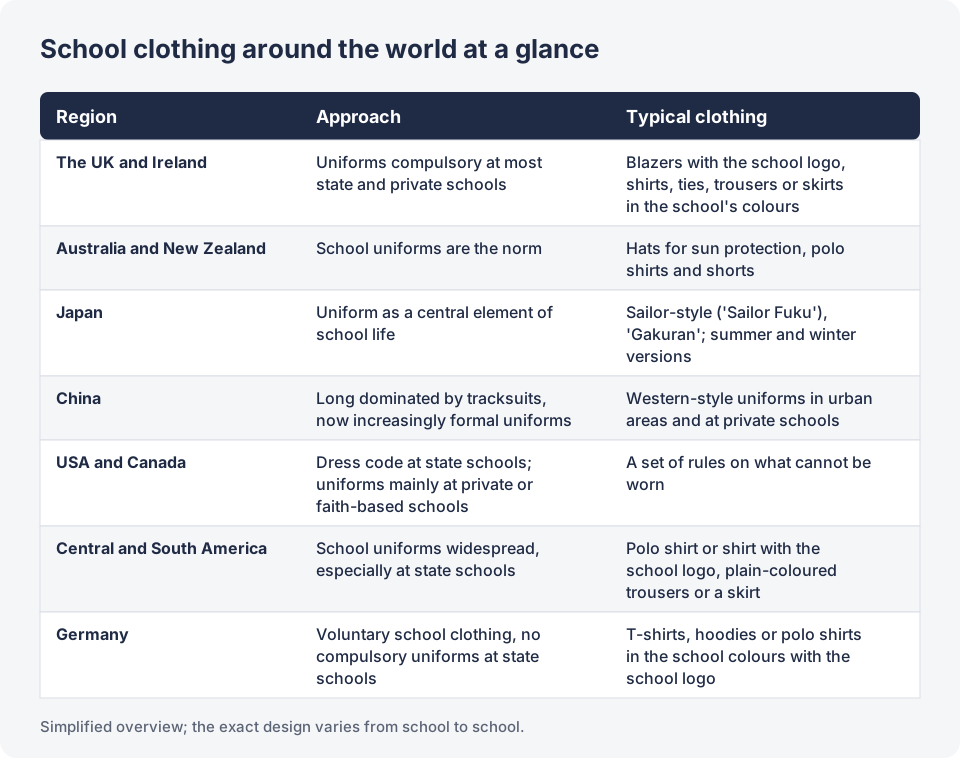
As the birthplace of the modern school uniform, the UK has a long history dating back to the 16th century. Here, uniforms are compulsory at most state and private schools. They are often characterised by formal elements such as blazers with the school logo, shirts, ties, and specific trousers or skirts in the school's colours. The exact design varies greatly from school to school, but the principle is ubiquitous.
Australia and New Zealand
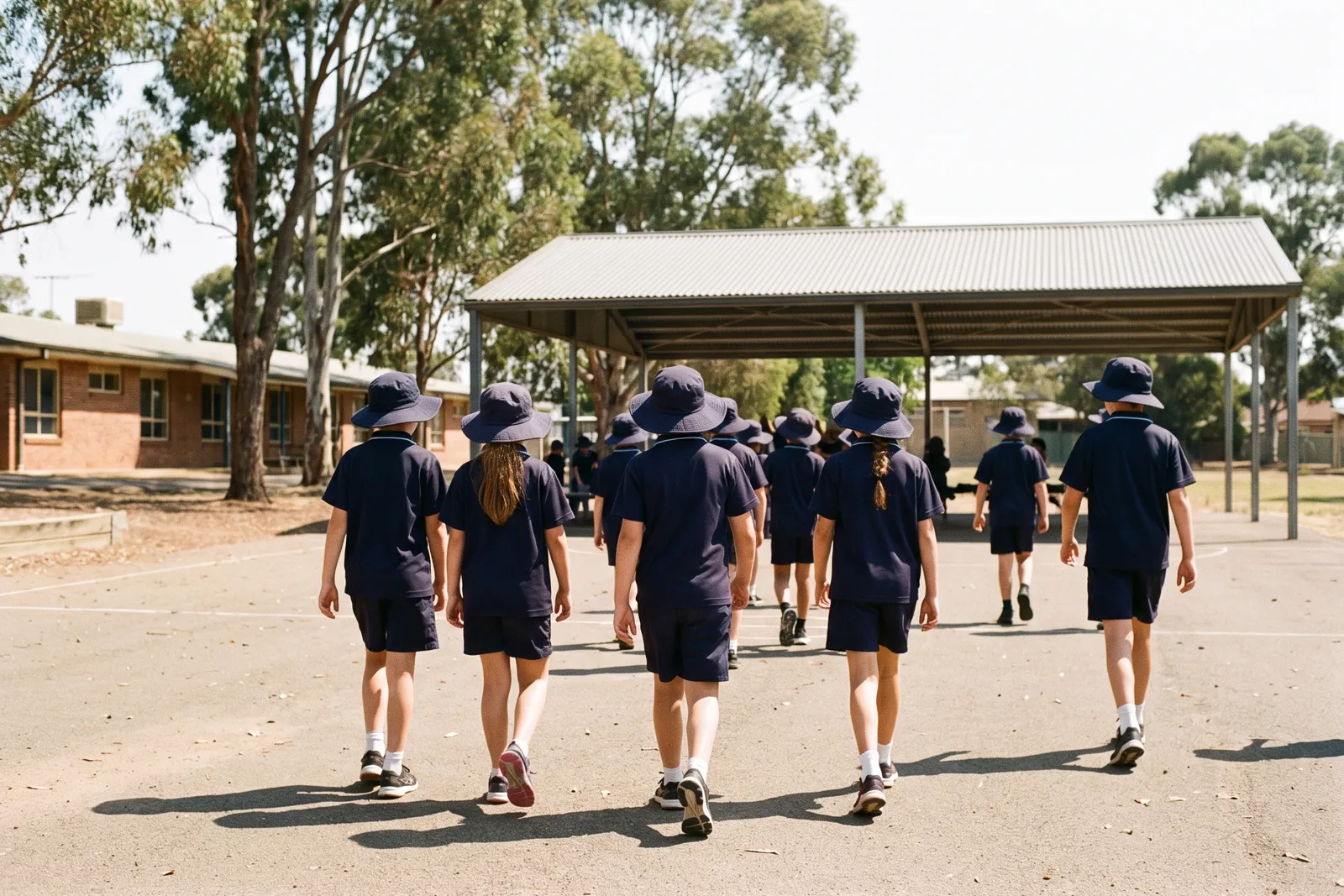
In Australia and New Zealand, school uniforms are also the norm. However, due to the warmer climate, the traditional British requirements have been adapted. Items like hats for sun protection, polo shirts and shorts are often part of the standard kit, especially in the warmer months. The uniform requirement is seen as an important contribution to school identity and student safety.
Discipline and Aesthetics: Schoolwear in Asia
In many Asian countries, the school uniform holds great significance and is often associated with national pride and a strong sense of community. The appearance of the students is considered part of the educational institution's public image.
Japan
Japanese school uniforms ('Seifuku') are known worldwide and have achieved a certain cult status through manga and anime. Typical styles include the sailor-style for girls ('Sailor Fuku') and military-inspired suits for boys ('Gakuran'). The uniforms are often very detailed and change between summer and winter versions. They are a central element of school life and a powerful symbol of belonging.
China
For a long time in the People's Republic of China, standardised, often sporty tracksuits were the predominant form of schoolwear. This model was primarily intended to promote equality and modesty. In recent years, however, a change has been observed: more formal, Western-style uniforms are becoming increasingly common, particularly in urban areas and at private schools.
Dress Codes Instead of Uniforms: The North American Way
In the USA and Canada, widespread compulsory uniforms are more of an exception, found mainly at private or faith-based schools. In state schools, the prevailing approach is a 'dress code'.
A dress code is not a uniform outfit, but a set of rules that specifies what cannot be worn. This typically includes clothing with offensive prints, skirts or shorts that are too short, crop tops, or certain types of headwear. The aim is to create an appropriate learning-focused environment without completely restricting individual clothing choices.
A Colourful Mix: Central and South America
In most countries in Central and South America, school uniforms are widespread, especially in state schools. They are seen as an important tool for promoting social equality, as they prevent economic differences between families from becoming visible through children's clothing. The designs are often simple and functional, frequently consisting of a polo shirt or shirt with the school logo and plain-coloured trousers or a skirt.
The German 'Sonderweg': Voluntary School Clothing
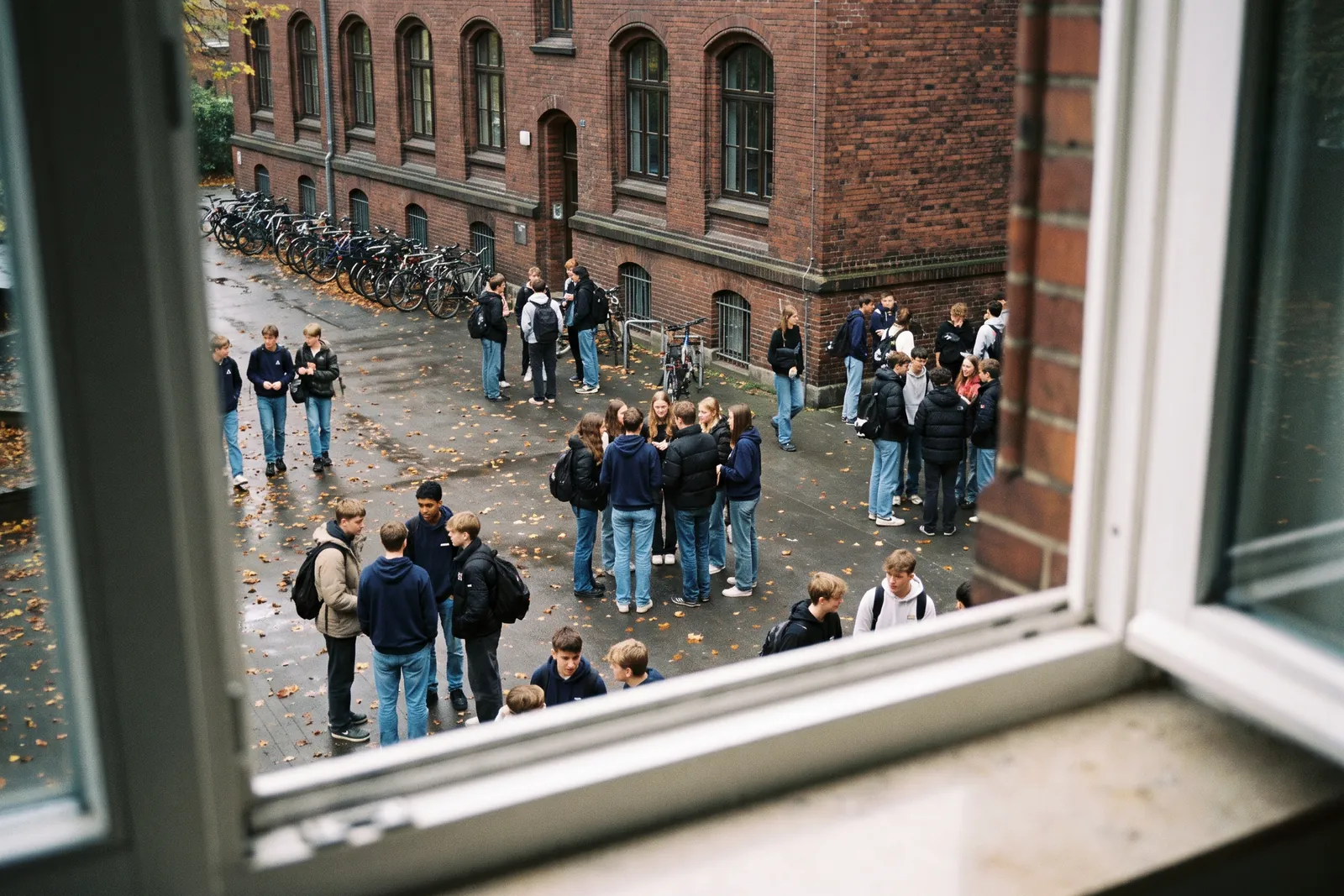
In Germany, there is no legal basis for compulsory uniforms at state schools. The term 'uniform' also often has negative historical connotations and is associated with coercion and the suppression of individuality. Instead, the concept of voluntary school clothing has become established.
This is not a compulsory uniform, but a collection of clothing items – such as T-shirts, hoodies or polo shirts – in the school colours and featuring the school logo. Pupils and teachers can purchase and wear these items to show their connection to the school. This approach strengthens the sense of community and identity without restricting individual freedom. Introducing such a uniform collection for schools & nurseries is an established practice for promoting cohesion and supporting a positive school atmosphere. We explain how such a process can be successfully managed in our guide to introducing schoolwear.
If your school, club or university is planning to introduce a uniform clothing programme, a well-thought-out overall concept is crucial. As a full-service partner, we support you from the design development and the setup of your own online shop to the complete logistics and shipping. We take care of the details so you can focus on what's most important: strengthening your community.
Looking for full-service merchandising?
We handle your promotional product projects from A to Z – from a single source.
To Full-Service